Depression Sadness: Find Understanding
and Support in Mumbai
A compassionate space to understand what you are feeling
Feeling sad is part of being human. But when sadness lingers, everyday tasks feel harder, or you lose interest in things that once mattered, support may help. At Mindcraft Counselling Centre in Lower Parel, Mumbai, you can explore your emotional wellbeing with a mental health professional.
If sadness feels persistent, affects your daily life, or makes things harder, you don’t have to work through it alone. Mindcraft Counselling Centre offers a safe space to explore what you’re feeling and consider the next step.
Understanding Depression and Sadness
Sadness is a natural human emotion that can arise from difficult experiences, such as losing someone you love, facing relationship challenges, experiencing work-related stress, or dealing with unexpected changes in life. These feelings may gradually become easier to manage with time, emotional support, rest, and healthy coping strategies. However, when sadness continues for an extended period, affects everyday activities, or makes it difficult to enjoy things you once loved, it may indicate a deeper emotional concern that deserves attention.Depression is more than feeling sad occasionally. It is a mental health condition that can influence how you think, feel, behave, and respond to everyday situations. Some people experience persistent sadness or emptiness, while others may feel emotionally numb, exhausted, disconnected, or unable to find motivation. Everyday responsibilities that once seemed manageable may begin to feel overwhelming, and maintaining relationships or concentrating at work may become increasingly difficult.
Signs that sadness may need more attention

Persistent Sadness and Hopelessness
Feeling sad, empty, tearful, numb, or hopeless much of the time. You may experience ongoing sadness or emotional emptiness, even when nothing specific seems wrong.

Loss of Interest and Enjoyment
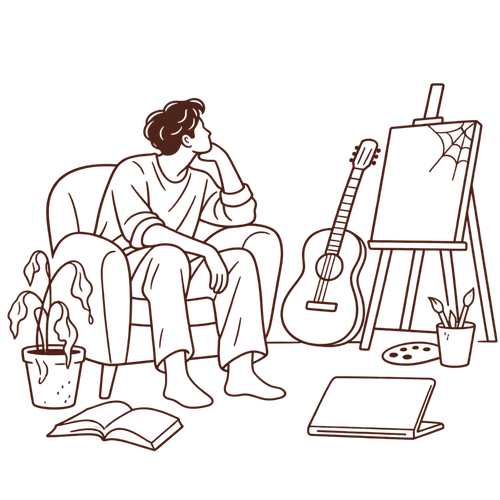
Losing interest in hobbies, relationships, work, or everyday activities. Activities you once enjoyed may no longer feel interesting or bring the same happiness.

Constant Fatigue and Irritability
Feeling unusually tired, restless, irritable, or emotionally overwhelmed.Even simple daily responsibilities may feel exhausting, leaving you emotionally drained.

Changes in Sleep and Appetite
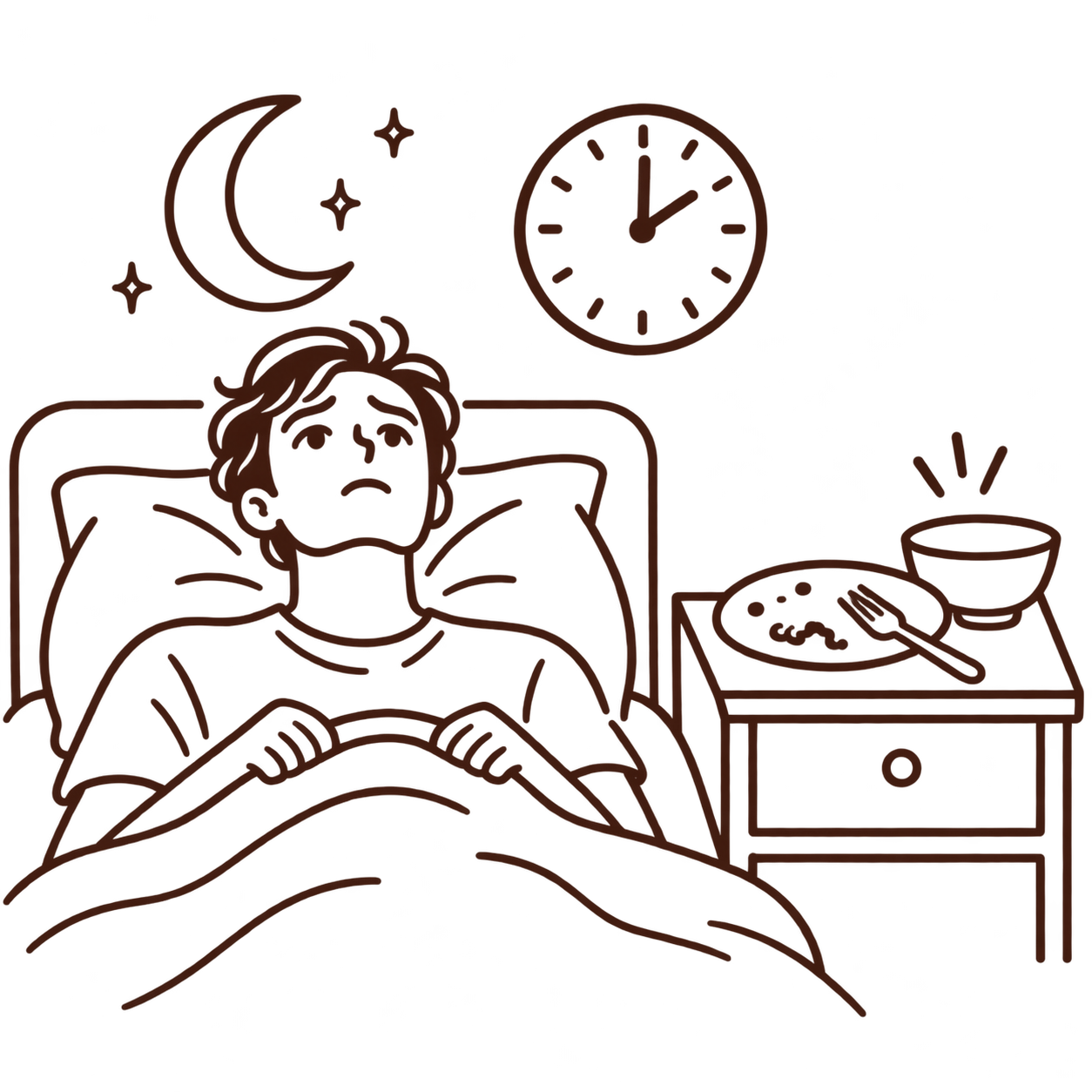
Sleeping much more or less than usual, or noticing appetite changes.Changes in sleeping patterns or eating habits may affect your energy and everyday routine.

Difficulty Concentrating
Finding it harder to concentrate, make decisions, or complete familiar tasks.You may struggle to stay focused, remember things, or manage responsibilities that once felt easy.

Social Withdrawal and Isolation
You may avoid conversations, social gatherings, or spending time with loved ones, leading to feelings of isolation. Withdrawing from friends and family, even when you want connection.
How Depression Can Affect Everyday Life
At work
Emotional distress can make it harder to focusing, staying motivated, or meeting deadlines may become difficult.
At home
Everyday responsibilities can feel exhausting, even simple tasks can take more effort.
In Relationships
Emotional distress may make you withdraw from loved ones, avoid conversations, or feel disconnected
Different Experiences
Some people keep meeting responsibilities while feeling depleted, while others notice major changes in routine.
Depression counselling and individual therapy
Mindcraft lists individual therapy among its services and describes it as a collaborative space to explore thoughts, emotions, and life experiences. For someone experiencing persistent sadness or possible depression, individual sessions may offer an opportunity to discuss concerns, understand recurring patterns, and consider coping strategies suited to their circumstances. The approach used should depend on your needs and the professional’s assessment. Mindcraft’s services page mentions approaches such as cognitive behavioural therapy (CBT) and dialectical behaviour therapy (DBT), depending on what may be helpful. Ask the team which practitioner and approach are appropriate for your particular concern. Counselling is not about being told to “cheer up.” It offers space to reflect and identify next steps. Severe or persistent symptoms may also require care from a doctor or psychiatrist.